Stone Curlew
Songs · stories · images
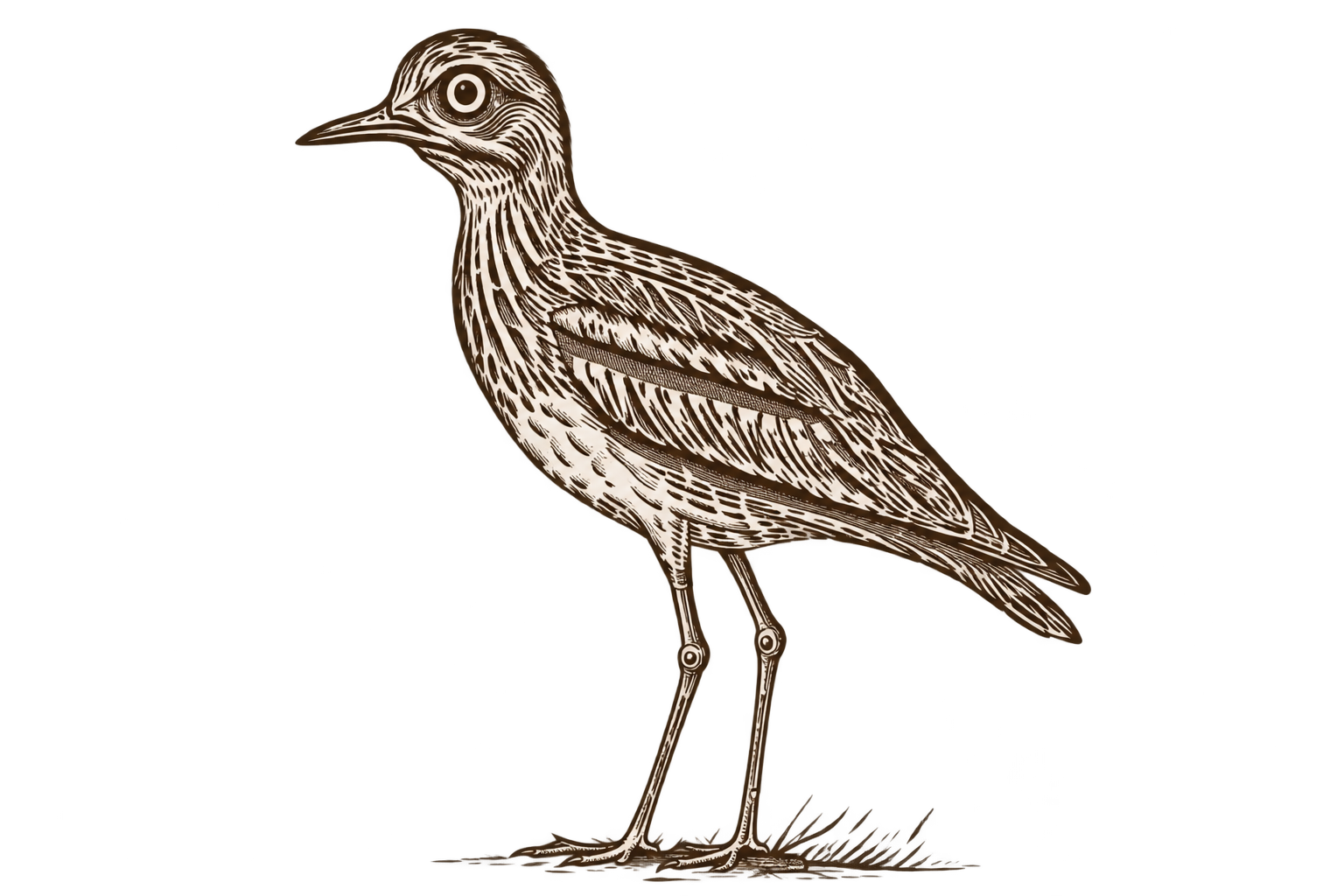
Stone curlew bird illustration

Stone
Curlew

Songs from the edges. Stories carried by wind and water.

01

About

Over Stone Curlew

Mijn naam is Frits van Dijk. Ik maak muziek, fotografeer en schrijf over wat ik onderweg tegenkom.

Die drie vormen lopen voor mij vanzelf in elkaar over. Een landschap kan een beeld worden, een geluid het begin van een song en een kleine waarneming soms van een verhaal. Vaak begint het met stilstaan. Kijken en luisteren naar wat zich aandient.

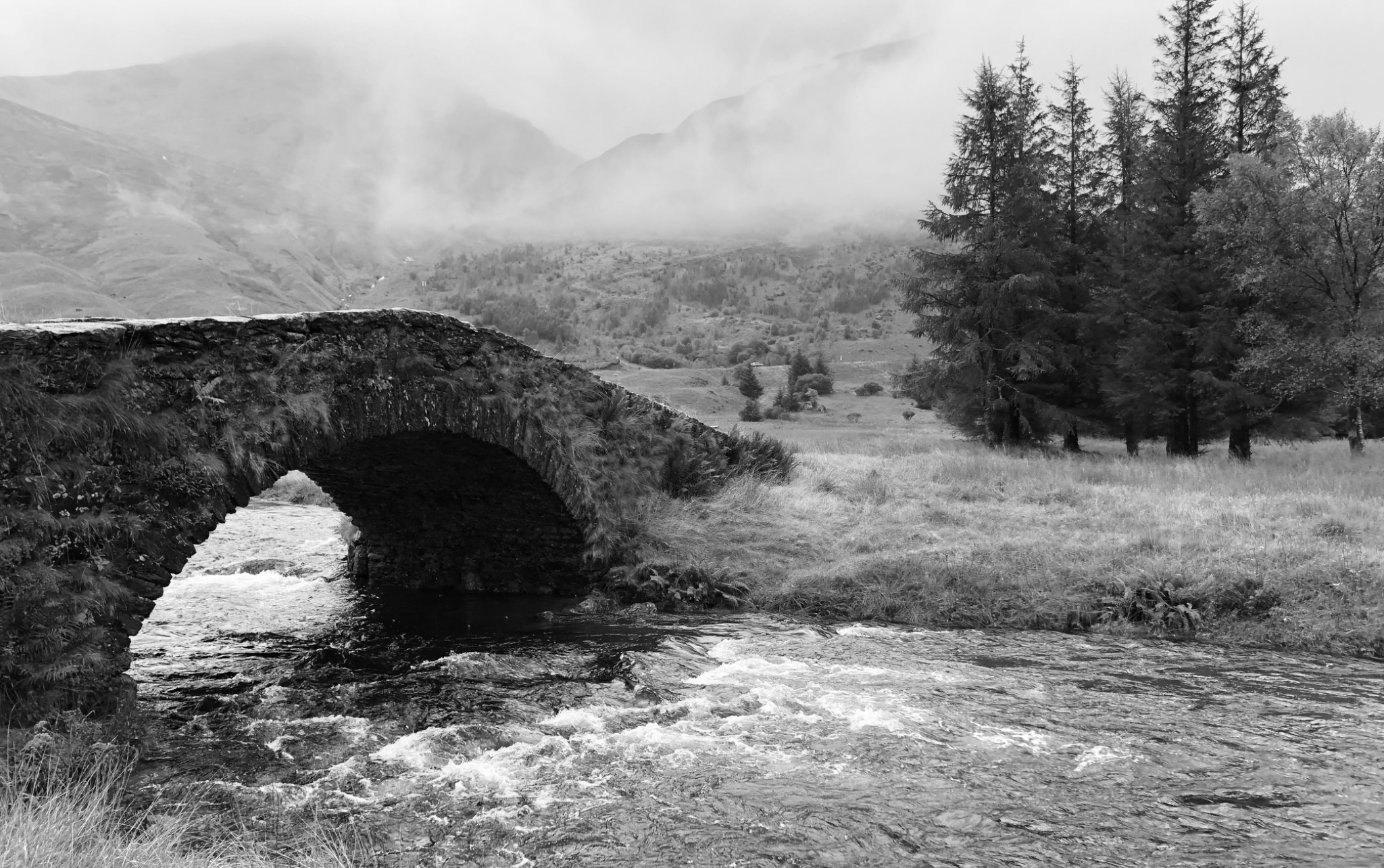
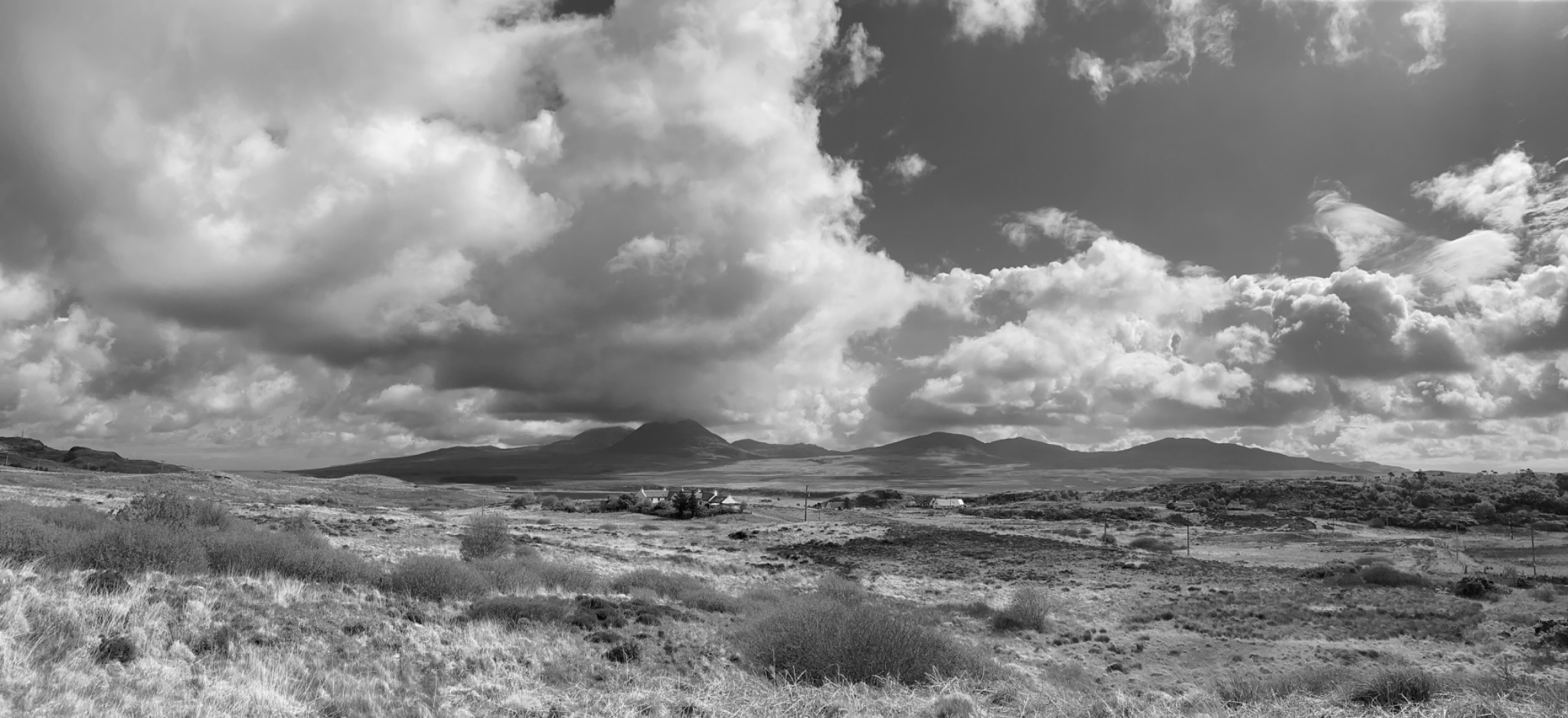
Eilanden vormen daarin een terugkerende verbinding. Lanzarote, waar ik de griel voor het eerst ontdekte. Schotland en de Hebriden, waar landschap, weer en stilte steeds opnieuw inspiratie geven. En Texel, met het water, de vogels en de ruimte die door de seizoenen telkens verandert.

Stone Curlew is de plek waar deze eilanden bij elkaar komen. In songs, verhalen en beelden, ontstaan uit reizen, herinneringen en het buiten zijn. Niet als afgerond geheel, maar als een verzameling die langzaam verder groeit.

English version

About Stone Curlew

My name is Frits van Dijk. I make music, take photographs and write about what I encounter along the way.

For me, these three forms naturally flow into one another. A landscape can become an image, a sound the beginning of a song, and a small observation sometimes the start of a story. It often begins by standing still. Looking and listening to whatever presents itself.

Islands form a recurring connection. Lanzarote, where I first discovered the stone-curlew. Scotland and the Hebrides, where landscape, weather and silence continue to inspire me. And Texel, with its water, birds and open space, changing with every season.

Stone Curlew is the place where these islands come together. In songs, stories and images, shaped by journeys, memories and time spent outdoors. Not as something complete, but as a collection that slowly continues to grow.
02

Music

03

Story

De vogel die bleef roepen

De griel

De griel kwam ooit gewoon in Nederland voor. In de eerste helft van de vorige eeuw broedden nog enkele tientallen paren in de Hollandse duinen, vooral in de Amsterdamse Waterleidingduinen. De laatste broedgevallen werden in 1957 vastgesteld, niet ver van De Zilk. Daarna verdween hij als Nederlandse broedvogel.

Ik leerde hem veel later kennen op Lanzarote.

Tijdens een tocht door het droge landschap bij Soo zagen we hem staan. Hoog op zijn poten, bijna onzichtbaar tussen stenen en zand. Zijn verenkleed leek voor dat landschap gemaakt. Maar vooral zijn ogen vielen op. Groot en geel, met een wat melancholische blik. We zagen er die dag meerdere. Toch betwijfel ik of ik ze zonder hulp zelf had ontdekt.

Een jaar later hoorde ik bij Charco in de avond een onbekend geluid. Een wat klagende, wulpachtige roep, die ook ’s nachts bleef terugkomen. Met behulp van een vogelapp vond ik de afzender. De griel. Hij zat daar dus, ergens in het donker, veel dichterbij dan ik had gedacht.

Sindsdien hoor ik hem daar vaker. In de schemering en soms vroeg in de ochtend. Zijn roep mengt zich met het geluid van de oceaan, de hoppen en de Spaanse mussen.

In het Engels heet hij Stone Curlew.

Die naam bleef hangen.

English version

The bird that kept calling

The stone-curlew was once a breeding bird in the Netherlands. During the first half of the last century, several dozen pairs still nested in the Dutch coastal dunes, particularly in the Amsterdam Water Supply Dunes. The last breeding cases were recorded in 1957, not far from De Zilk. After that, the bird disappeared as a Dutch breeding species.

I came to know it much later, on Lanzarote.

During a drive through the dry landscape near Soo, we saw one standing there. Tall on its legs, almost invisible among the stones and sand. Its plumage seemed made for that landscape. But it was the eyes that struck me most. Large and yellow, with a somewhat melancholy gaze. We saw several that day. Even so, I doubt I would have discovered them without help.

A year later, near Charco, I heard an unfamiliar sound in the evening. A plaintive, curlew-like call that kept returning throughout the night. With the help of a bird app, I found the source. The stone-curlew. It was there, somewhere in the dark, much closer than I had imagined.

Since then, I have heard it there more often. At dusk and sometimes early in the morning. Its call mingles with the sound of the ocean, the hoopoes and the Spanish sparrows.

In Dutch, it is called de griel.

The English name stayed with me.